
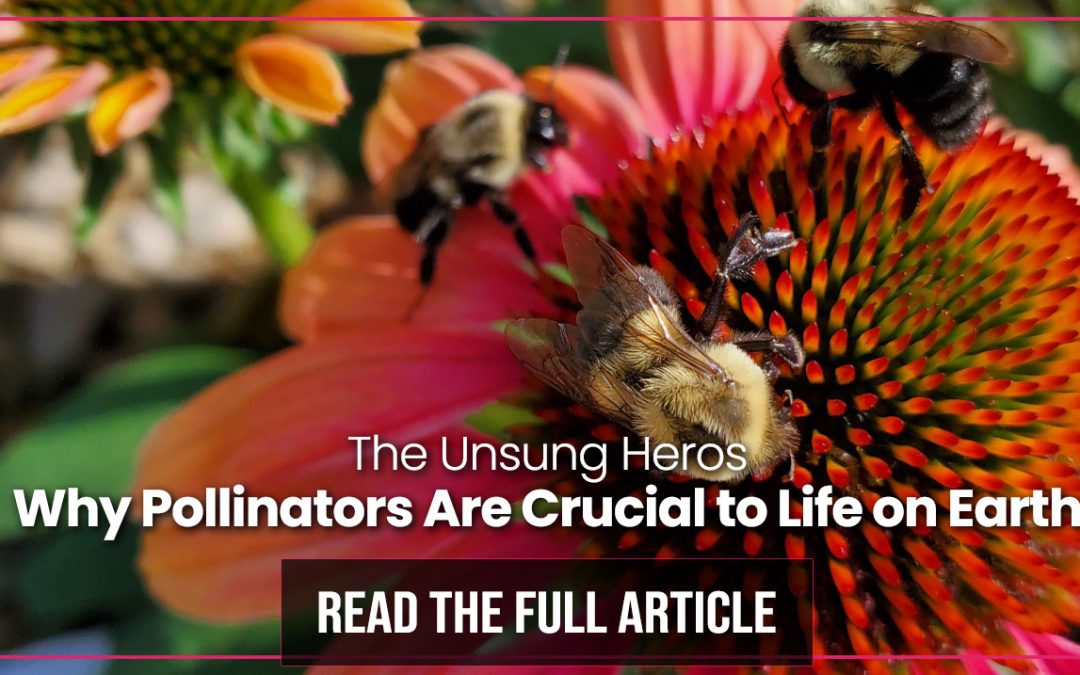
The Unsung Heroes
When we think about food, flowers, and the natural beauty of our environment, we often overlook the tiny creatures that make it all possible. Pollinators—bees, butterflies, birds, bats, and even some small mammals and insects—are the unsung heroes of ecosystems worldwide. They play a pivotal role in maintaining biodiversity and securing food production, yet their importance often goes unnoticed.
As global environmental issues like habitat loss, pesticide use, and climate change threaten pollinator populations, understanding their role and taking steps to protect them has never been more urgent. In this blog, we’ll explore what pollinators are, why they matter, the threats they face, and how even our own backyards can become part of the solution.
What Are Pollinators?
Pollinators are animals that move pollen from the male parts of a flower (anthers) to the female parts (stigma), enabling plants to reproduce. While wind and water can also carry pollen, over 75% of flowering plant species rely on animals for pollination.
Common pollinators include:
- Bees (honeybees, bumblebees, solitary bees)
- Butterflies and moths
- Hummingbirds
- Bats
- Flies, beetles, and wasps
Each species is specially adapted to certain plants, creating intricate relationships that support not just individual species, but whole ecosystems.
Pollinators and Our Food System
One of the most visible contributions of pollinators is their role in agriculture. About one-third of the food we eat depends directly on pollination. Fruits, vegetables, nuts, seeds, and even certain oils rely on the work of pollinators.
Pollinator-dependent crops include:
- Apples
- Almonds
- Blueberries
- Squash and pumpkins
- Strawberries
- Tomatoes
- Coffee
- Avocados
Even meat and dairy industries rely on pollinator-dependent plants like clover and alfalfa used in livestock feed.
Without pollinators, these foods would become scarce and expensive, diets would become less nutritious, and food insecurity would rise. They are absolutely essential to a diverse, healthy, and stable food supply.
Pollinators Keep Ecosystems Alive
Beyond agriculture, pollinators are crucial to wild ecosystems. Approximately 90% of all wild flowering plants need animal pollination. These plants:
- Provide habitat and food for birds, mammals, and insects
- Stabilize soil and prevent erosion
- Filter air and water
- Capture and store carbon, helping mitigate climate change
In short, pollinators ensure that ecosystems are functional and resilient. Their decline can destabilize entire food webs and reduce biodiversity.
The Value of Pollinators to the Economy
The economic value of pollinators is estimated to be $200–$500 billion globally per year. This includes increased crop yields, better fruit quality, and the success of specialty and export crops like chocolate, coffee, and spices.
Farmers and food producers benefit greatly from the work pollinators do for free. In fact, many crops—like almonds in California—are entirely dependent on bee pollination. When pollinator numbers fall, growers often have to rent managed hives or suffer crop losses, both of which increase food costs for consumers.
Threats to Pollinators
Despite their critical role, pollinator populations are in decline across the globe. Some major threats include:
1. Habitat Loss
Urban expansion, monoculture farming, and deforestation are destroying the diverse habitats that pollinators need to survive.
2. Pesticides and Herbicides
Certain chemicals, especially neonicotinoids, are harmful to bees and other pollinators. Even at low levels, they can affect reproduction, navigation, and immune systems.
3. Climate Change
Shifts in temperature and weather patterns can disrupt the timing of flowering plants, meaning pollinators might miss their food sources.
4. Diseases and Parasites
Honeybee colonies in particular face threats from mites (like Varroa destructor) and fungal pathogens.
5. Invasive Species
Non-native plants and insects can outcompete or prey on native pollinators, reducing biodiversity.
The Role of Home Gardens in Supporting Pollinators
You don’t need to own a farm or run a conservation program to make a difference. Home gardens—from small city balconies to large backyard plots—can play a vital role in supporting pollinator populations.
Here’s why pollinators in home gardens matter:
1. They Provide Critical Forage
Urban and suburban areas often lack continuous, pesticide-free sources of nectar and pollen. Home gardens filled with flowering plants act as essential pit stops for pollinators, especially in heavily developed regions.
2. They Create Habitat
By planting native species, gardeners provide nesting and breeding areas for solitary bees, butterflies, and other pollinators. Simple additions like bee hotels, bare soil patches, and flowering hedges can go a long way. Checkout the Tru-Post Planter Basket!
3. They Promote Biodiversity
Diverse gardens support a wide range of pollinators and other beneficial insects. Native flowers, herbs, fruit trees, and flowering vegetables attract different species, each with a unique role in the garden ecosystem.
4. They Enhance Food Yields
If you grow vegetables or fruit in your garden, attracting pollinators directly increases your harvest. Tomatoes, peppers, cucumbers, and berries all benefit from bee visits.
5. They Educate and Inspire
Gardens are powerful tools for environmental education. Watching bees pollinate flowers or caterpillars transform into butterflies is a hands-on lesson in ecology, perfect for both children and adults.
How You Can Help Pollinators at Home
Here are simple, practical steps to support pollinators in your garden:
- Plant native flowers that bloom throughout the growing season
- Avoid chemical pesticides and herbicides, especially during bloom
- Grow a diversity of plant types (trees, shrubs, perennials, and annuals)
- Provide water (a shallow dish with stones or floating corks works well)
- Leave some wild space (bare soil, dead wood, or unmown areas for nesting)
- Support local beekeepers or participate in community science projects
Even a small window box filled with pollinator-friendly herbs like lavender, basil, and thyme can provide food and shelter.
Pollinators are absolutely essential to life as we know it. They not only sustain our food systems but also keep our ecosystems healthy, diverse, and resilient. Yet, they face mounting challenges that require urgent action.
The good news? We all have the power to help—from farmers and policymakers to educators and home gardeners. By protecting pollinators, we’re investing in a healthier planet, a more secure food supply, and a brighter future for generations to come.
So next time you see a bee buzzing around your flowers, take a moment to appreciate the tiny miracle worker it is—and consider what you can do to help it thrive.
Want to make your garden pollinator-friendly? Start by planting just three native flowering species and watch your yard come to life! Shop plants at Holly Days Nursery and Garden Center on location or online.