
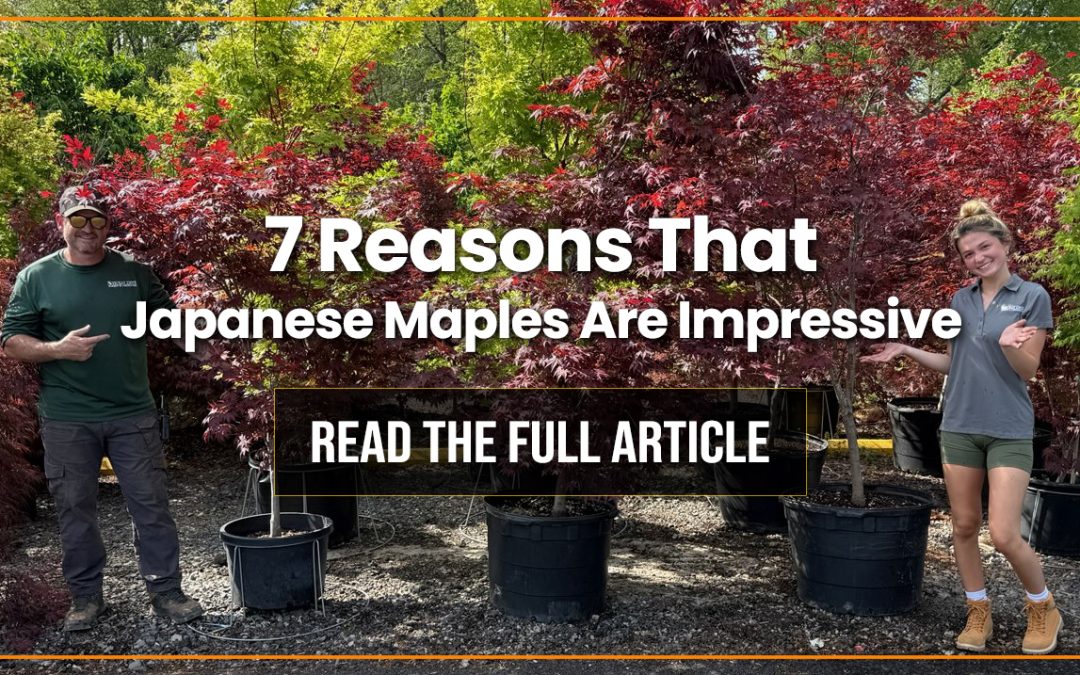
Why Japanese Maples Are a Great Standout Plant in Your Landscape
Japanese Maples (Acer palmatum) are some of the most elegant and versatile plants you can incorporate into your landscape. Whether you’re a seasoned gardener or a newbie looking to enhance your outdoor space, the Japanese Maple offers striking beauty, manageable care, and a myriad of design possibilities. These trees are renowned for their graceful form, stunning foliage, and vibrant seasonal colors. But what truly sets them apart is their ability to elevate a garden into something truly spectacular.
We’ll explore the many reasons why Japanese Maples are a standout plant choice for your landscape, from their aesthetic appeal to their adaptability and low maintenance.
1. Unmatched Aesthetic Appeal
Perhaps the most compelling reason to plant a Japanese Maple in your landscape is the sheer beauty they bring. These trees are famous for their delicate, lacy leaves that add texture and visual interest throughout the seasons. Whether you opt for the deep reds of Acer palmatum ‘Bloodgood’, the striking variegated patterns of Acer palmatum ‘Sango-kaku’, or the soft, golden hues of Acer palmatum ‘Kiyohime’, there’s a cultivar to match virtually any garden aesthetic.
The leaves of Japanese Maples are typically thin and finely dissected, creating a soft, almost ethereal quality. When the wind rustles through their branches, it gives an enchanting effect that’s unique to these trees. In spring, their vibrant new growth emerges in hues of red, orange, or yellow, making them a focal point as soon as they leaf out.
Some popular types include:
- ‘Bloodgood’ – Upright, deep red foliage; a classic landscape favorite.
- ‘Tamukeyama’ – Weeping, laceleaf variety with rich burgundy leaves.
- ‘Sango Kaku’ (Coral Bark Maple) – Known for its brilliant red bark in winter and golden fall foliage.
- ‘Emperor I’ – Vigorous, upright tree with dark red leaves that hold color well into summer.
This variety allows homeowners to tailor their landscape design, whether they are aiming for a tranquil Japanese-inspired garden, a formal European layout, or a more naturalistic woodland setting. Shop Japanese Maples online!
In the fall, the color transformation is nothing short of spectacular. Japanese Maples are known for their fiery, red, orange, and gold leaves, creating a warm, glowing backdrop that radiates beauty even as the rest of your garden begins to wind down for the season. Whether you have a formal garden or a casual, rustic design, Japanese Maples can seamlessly blend in while standing out as a signature feature.
2. Versatility in Garden Design
Japanese Maples are remarkably versatile plants, making them suitable for a wide range of garden designs. From small courtyards and Zen gardens to large woodland landscapes, these trees can adapt to various settings.
For smaller gardens, the dwarf varieties of Japanese Maples, such as Acer palmatum ‘Shishigashira’ or Acer palmatum ‘Mikawa yatsubusa’, are excellent choices. These compact trees only grow to a height of 3–5 feet, making them ideal for confined spaces like patios, balcony gardens, or entryways. Even in a small garden, their presence can elevate the design with their unique form and seasonal color changes.
For larger landscapes, the larger, upright varieties like Acer palmatum ‘Emperor 1’ or Acer palmatum ‘Bloodgood’ can provide dramatic focal points. When planted near ponds or water features, their reflection on the surface adds an extra layer of beauty and tranquility. Japanese Maples are also often used in Japanese-style gardens, where they can be paired with rocks, gravel, and bamboo to create a serene, harmonious environment.
3. Seasonal Interest Throughout the Year
One of the best things about Japanese Maples is that they offer something to admire throughout the year. As mentioned earlier, the leaves emerge in the spring with a burst of vibrant color, giving your garden an early-season lift. The subtle color changes throughout the summer keep your landscape looking fresh, with the leaves maintaining their rich hue.
As fall approaches, the tree’s foliage undergoes a remarkable transformation, with leaves turning fiery shades of red, orange, yellow, and even purple. The fall color is especially striking when contrasted with the tree’s smooth bark, often seen in varieties like Acer palmatum ‘Coral Bark’ with its coral-colored stems, or Acer palmatum ‘Sango-kaku’, which features bright yellow bark.
During winter, Japanese Maples add interest even when they’re bare. The graceful, skeletal branches and intricate structure stand out against the frosty landscape, offering a minimalist beauty when surrounded by snow or the muted colors of winter. Even in dormancy, these trees continue to provide texture and structure, helping your garden maintain a sense of balance during the off-season.
4. Perfect for Small and Large Gardens
Another reason why Japanese Maples are a fantastic choice for landscaping is their adaptability to different garden sizes. Whether you have a sprawling estate or a modest urban backyard, you can find a Japanese Maple that fits the scale of your garden.
For smaller yards, the variety of dwarf and weeping forms make it easy to incorporate these trees into tight spaces without overwhelming the landscape. Varieties such as Acer palmatum ‘Tamukeyama’, a weeping cultivar with pendulous branches, create a striking cascade of color and form that doesn’t take up too much space.
On the other hand, larger varieties like Acer palmatum ‘Atropurpureum’ or Acer palmatum ‘Osakazuki’ can create a dramatic presence in expansive landscapes. The trees’ ability to grow both upright and in a more spreading form allows them to create focal points or even serve as part of a hedge or screen, giving your landscape verticality and depth.
5. Low Maintenance and Resilient
While Japanese Maples may appear delicate with their finely cut leaves and elegant branches, they are relatively low maintenance compared to many other trees. Once established, they are fairly drought-tolerant, though they do benefit from regular watering, especially in hot climates.
These trees thrive in well-drained, slightly acidic soil and prefer locations with partial shade, though they can tolerate full sun in cooler climates. Japanese Maples are also resistant to most pests and diseases, making them a low-stress addition to your garden. Additionally, their slow growth rate means they won’t need frequent pruning or constant attention, and their compact form allows them to fit easily into most landscapes without overwhelming other plantings.
In colder climates, many varieties of Japanese Maples are hardy down to USDA zones 5 and 6, while others are even more cold-tolerant, making them suitable for a wide range of growing regions. However, they are sensitive to strong winds, so planting them in a sheltered spot will help them thrive and prevent damage to their delicate leaves.
6. Enhancing Your Garden’s Year-Round Appeal
The unique color palette, structure, and seasonal changes of Japanese Maples help create a dynamic, year-round landscape. Whether you want to create a peaceful retreat or a bold design statement, these trees can help you achieve your vision.
In addition to their beauty, Japanese Maples can be used to frame other plants, provide shade, or serve as a visual barrier in your garden. They complement a wide variety of companion plants, from flowering perennials to ornamental grasses, and can even be paired with other trees for added texture.
One of the coolest things you can do in your landscape is highlight your Japanese Maple with lighting. Checkout the Tru-Scapes Accent Lights which add interest to your landscape at all hours of the day.
7. A Symbol of Elegance and Tranquility
Beyond their aesthetic and functional benefits, Japanese Maples are steeped in cultural significance. In Japan, they are symbolic of grace, serenity, and the changing of the seasons. Their inclusion in Japanese gardens represents peace and balance, and they’re often associated with contemplation and mindfulness.
Planting a Japanese Maple in your garden can provide not just a visual delight but a sense of connection to nature and the passage of time. The tranquil beauty of these trees can create a sanctuary within your own backyard, offering a peaceful retreat from the hustle and bustle of daily life.
Final Thoughts
Japanese Maples are truly a standout choice for any landscape, offering year-round visual interest, cultural significance, and adaptability. Whether you’re looking for a striking focal point, a graceful tree for a smaller garden, or an easy-to-care-for specimen with seasonal beauty, the Japanese Maple is a versatile and elegant option that brings a sense of timeless beauty to your outdoor space. With their delicate leaves, stunning fall colors, and minimal care requirements, it’s no wonder these trees continue to be a favorite among gardeners and landscapers alike.